
There are so many things our furry companions do that make us think they are the cutest creatures ever.
But there’s one pose they often strike that we can’t help but capture on our phones, filling our camera rolls with these adorable moments.
Today, we’re going to dive into why dogs make this cute gesture, which has its own name: splooting.
What Is Splooting?
We’re all used to seeing our dogs lying on their sides, so when they do something different, it definitely catches our attention.
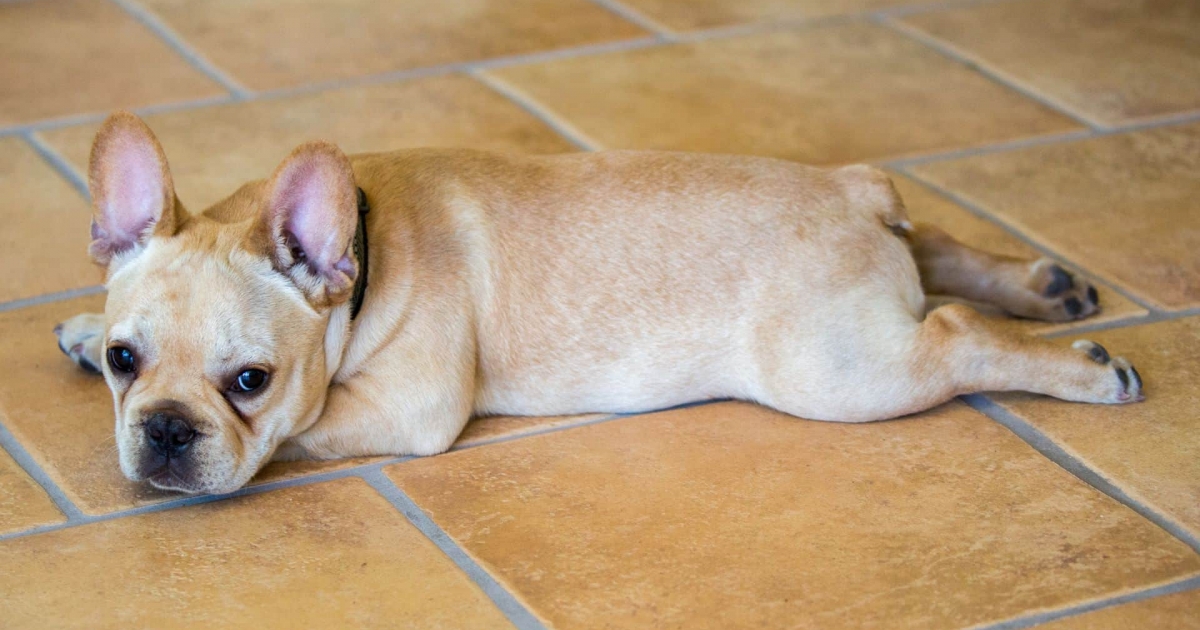
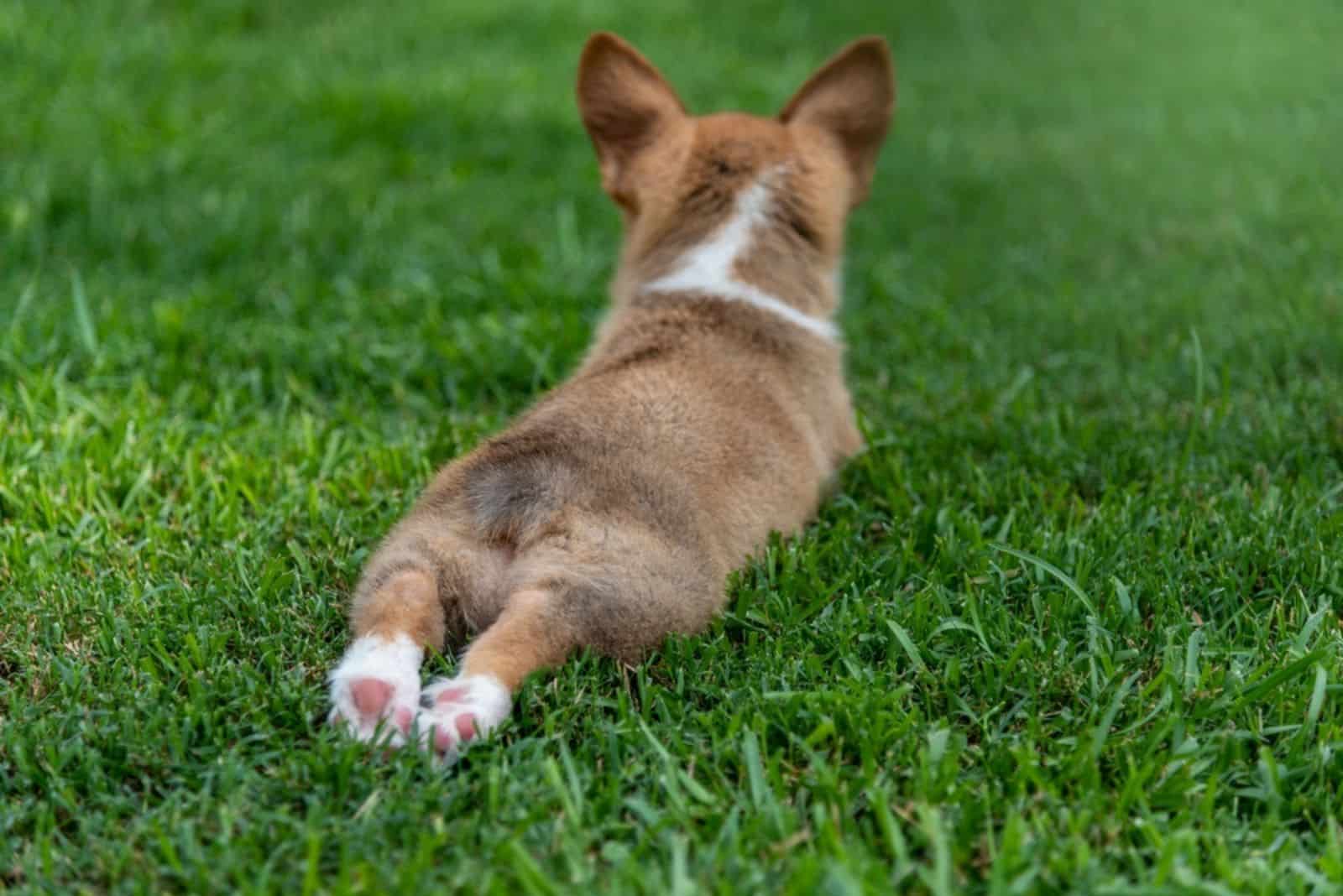
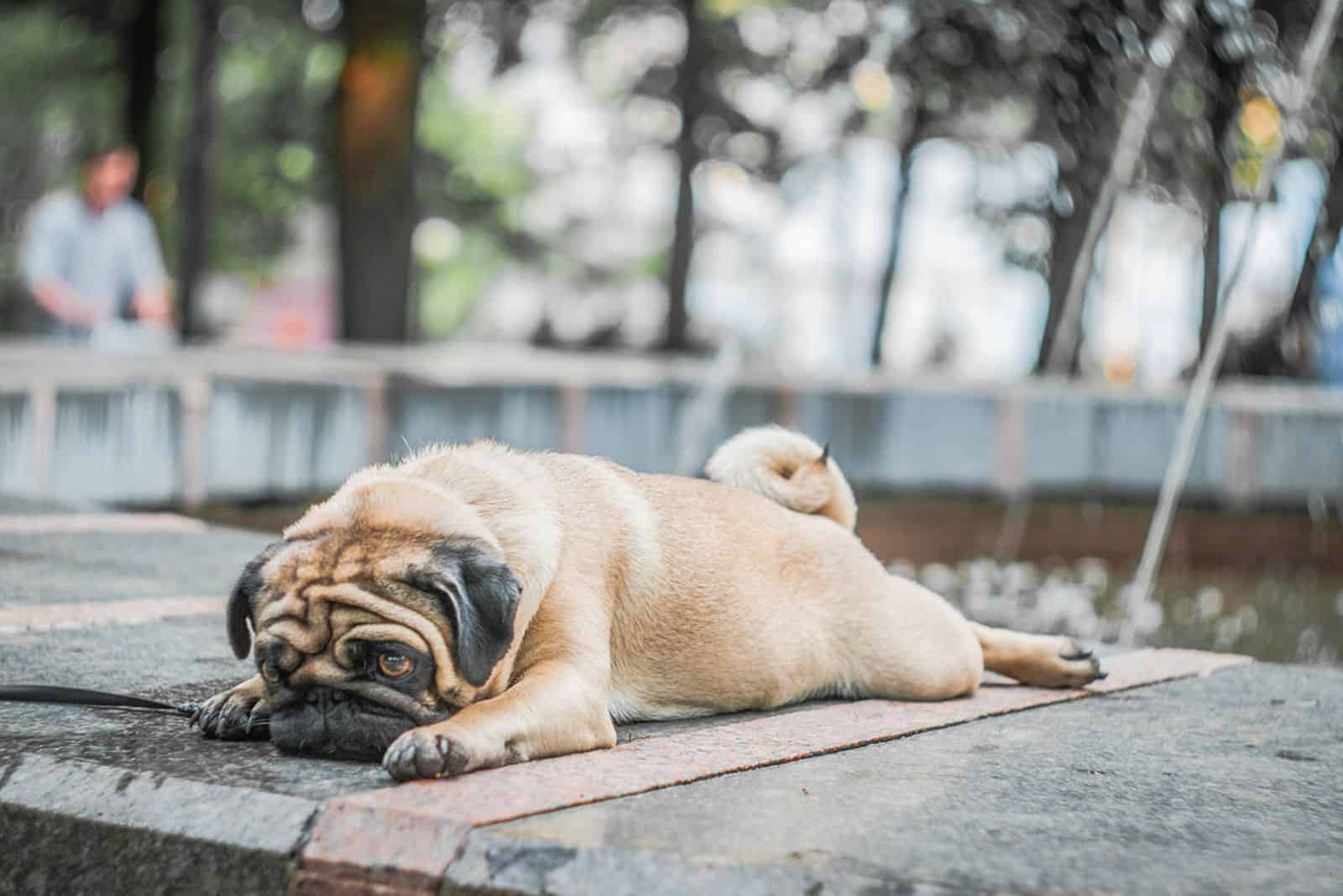
Splooting is when your dog lays flat on the ground, belly down, with their hips touching the floor, and their back legs stretched out behind them.
There are even variations of this pose, like when both legs are splayed to the side or when only one leg is stretched out.

Now that we know what splooting is, let’s explore some reasons why dogs do it.
#1 Reaching Zen
Just like we humans enjoy stretching to relieve tension or doing yoga for relaxation, dogs love stretching their muscles too.
Splooting helps them align their spine, easing pressure in their lower back and hips.
Younger pups are more likely to do it because it requires some flexibility, but don’t be surprised if you catch an older dog striking the same pose.
#2 Cooling off
Panting is usually how dogs cool down, but it's not their only trick. Along with zooming around and sweating through their paws, splooting is another way to stay cool.
By lying flat on a cold surface, dogs can cool their entire body. Plus, lifting their legs while keeping their belly on the ground helps them avoid the heat, making splooting the perfect way to beat the summer heat.
#3 A Natural Pose
Some breeds are naturally built for splooting. Dogs like Corgis, Basset Hounds, and Dachshunds, with their short legs, have hip mobility that makes it easy for them to stretch out in this pose.
However, just because a breed is suited for it, doesn’t mean every dog will do it. Each dog has its own preferences when it comes to stretching, and splooting might not be their go-to move.
#4 Dysplasia
Sometimes, splooting can also be linked to joint issues like dysplasia, a condition where the hip joint doesn’t fit together properly.
If you think your dog might have dysplasia, keep an eye out for other symptoms like bunny hop running, stiff movements, or reluctance to play. It’s more common in larger breeds, and treatment options range from medication to surgery.
#5 Arthritis
If your older dog starts splooting, it could be due to arthritis. This condition causes discomfort when bones and joints rub together due to cartilage loss.
Arthritis is common in senior dogs, so it’s important to watch for signs like stiffness, trouble getting up, or not wanting to walk or play. A vet checkup might be necessary to help manage the symptoms.
To Sum Up…
While splooting can sometimes be a sign to see the vet, it’s mostly a fun and relaxing stretch for dogs. And let’s be honest—our joy when we see those little toe beans probably encourages them to sploot more often, just to see us smile.
So the next time your pup strikes this cute pose, take a moment to enjoy it, knowing they might be doing it just for you!
More In Health
Health
 7 Essential Questions To Ask Your Vet Before Your Dog Goes Under Anesthesia
When your dog needs a medical procedure that involves anesthesia, it’s important to make sure...
Oct 27, 2024
Health
 5 Delicious and Safe Alternatives to Water for Your Dog
Dogs are smart creatures, and they know that staying hydrated is key to a happy life! But sometimes,...
Oct 27, 2024
Health
 How To Treat And Prevent Hot Spots In Dogs
Hot spots are a common skin issue for dogs, especially during the warm summer months.
Oct 27, 2024
Health
 How Much Sleep Does Your Dog Really Need Each Day?
Dogs absolutely love taking naps. It's one of their favorite pastimes. On average, they spend n...
Oct 27, 2024
Health
 7 Common Causes for German Shepherd’s Eyes Rolling Back
When my friend noticed her German Shepherd's eyes rolling back, she panicked, fearing the worst...
Oct 27, 2024
Health
 How Long Do Dogs Typically Live? Plus, Tips to Extend Their Lifespan
We all wish our furry friends could stay with us forever, but sadly, their lifespans are shorter tha...
Oct 18, 2024
Health
 How Different Types Of Music Can Calm Or Stress Your Dog
One of the biggest concerns for most dog owners is dealing with stress, anxiety, or fear in their pe...
Oct 18, 2024
Health
 5 Surprising Reasons Why Your Dog Sploots
There are so many things our furry companions do that make us think they are the cutest creatures ev...
Oct 18, 2024
Health
 6 Common Habits That Could Be Putting Your Dog At Risk
There's no doubt that every dog owner absolutely adores their furry companion. However, there a...
Oct 17, 2024
Health
 5 Simple And Quick Tricks To Teach Your Dog
Every dog owner knows that once you adopt a sweet little pupper, there are certain things you must d...
Oct 16, 2024