
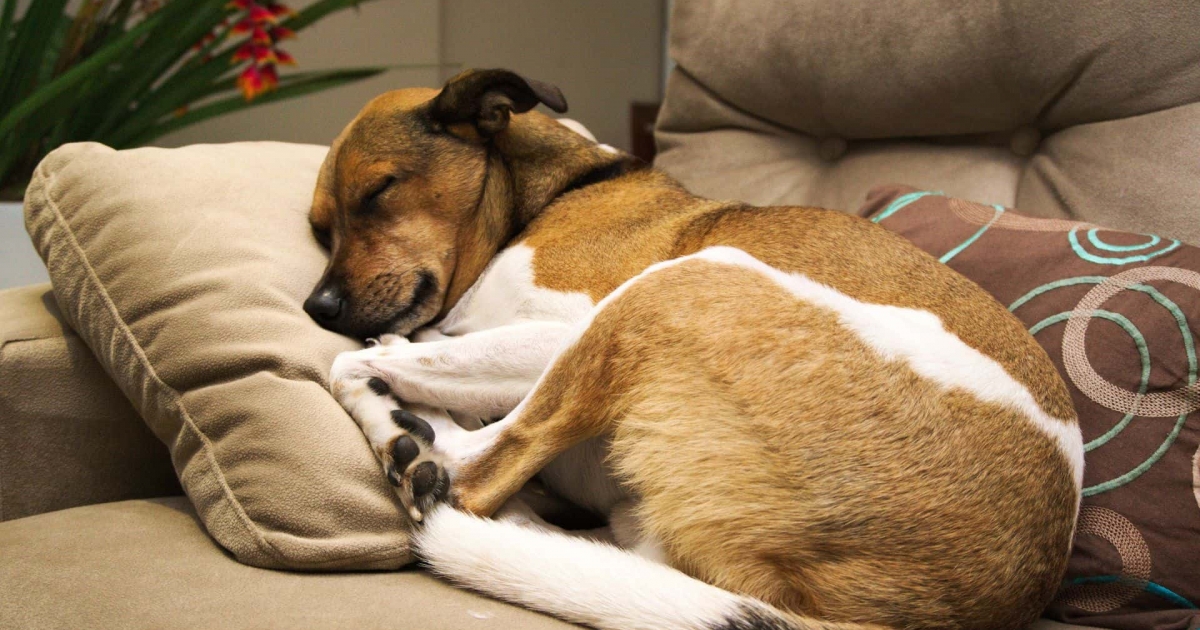
Dogs absolutely love taking naps. It's one of their favorite pastimes. On average, they spend nearly half of their day snoozing. This makes you wonder: just how much sleep do dogs really need each day?
Finding the answer isn’t as straightforward as you might think, as several factors come into play when discussing this topic.
We’ll dive into those in this article to give you a clearer picture.
How Much Do They Sleep On Average
As mentioned earlier, dogs generally sleep much more than humans do. Depending on their age and breed, they can sleep anywhere from 11 to 14 hours each day.[1]
While there isn’t a ton of detailed research on the topic, some estimates suggest that small puppies can sleep for at least 11 hours, with most of their naps happening during the day.
Older dogs, on the other hand, tend to sleep between 8 and 14 hours, and unlike puppies, they do most of their sleeping during the night. However, their daytime naps are still just as important.[1]
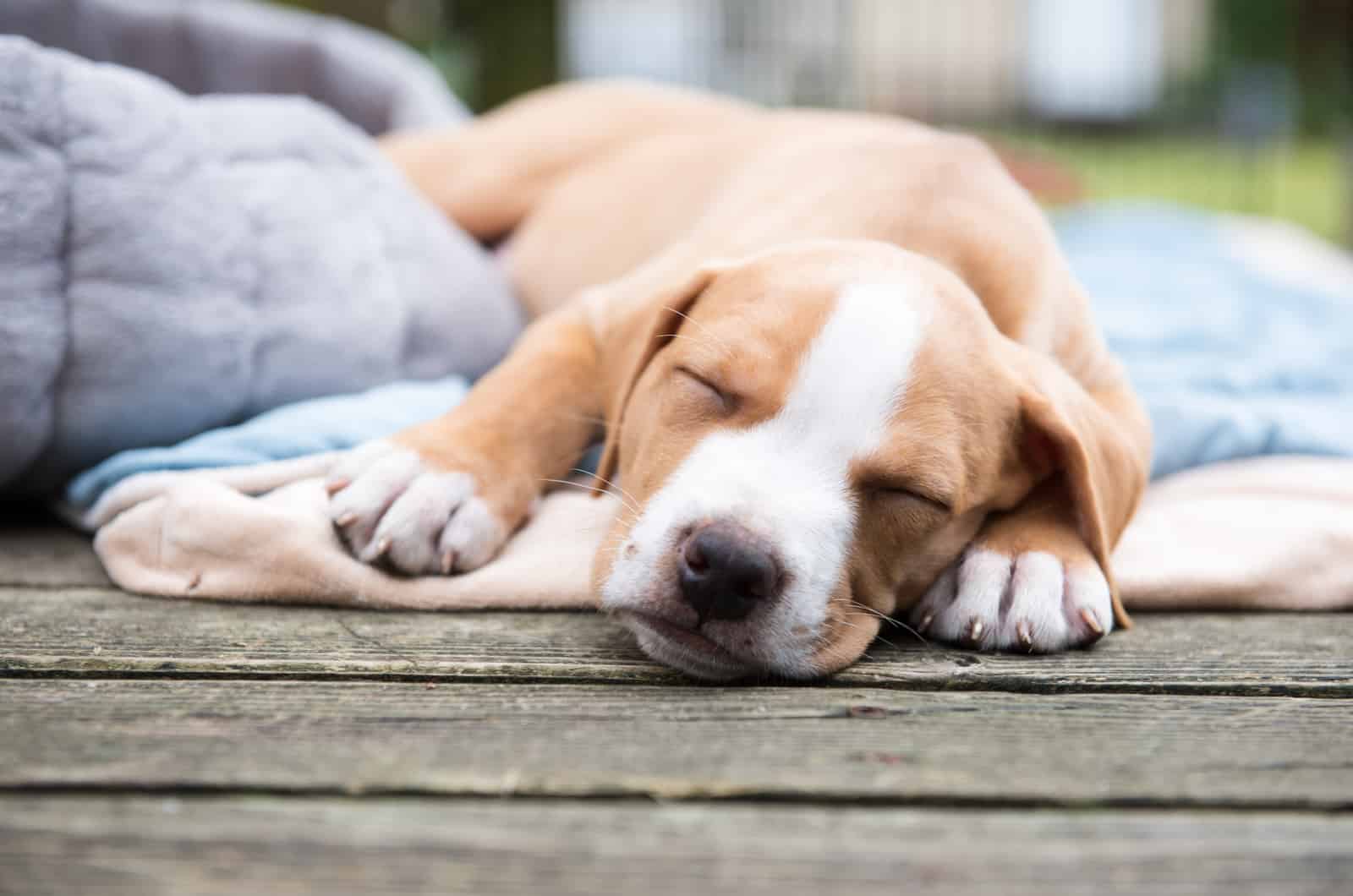
Senior dogs, though, can sleep up to 18 hours. They sleep for long periods at night and continue napping through the day.[1]
So, how does a dog’s breed impact its sleeping patterns? The answer is simple: smaller dogs usually sleep less than larger breeds.
For instance, breeds known for sleeping the most include the Mastiff, Saint Bernard, Great Pyrenees, and Bernese Mountain Dog.
Meanwhile, breeds that typically sleep the least include the Pomeranian, Chihuahua, Border Collie, and Yorkshire Terrier.
Although these are average numbers, keep in mind that every dog is different, and these estimates might not apply exactly to your pet.
On average, most dogs need about 12 to 14 hours of sleep per day. It’s important to remember this and pay attention to your dog’s sleeping habits in case they might be struggling with a sleep disorder.
Do Dogs Really Have Sleeping Disorders
The short answer is yes. Just like humans, dogs can sometimes experience sleep disorders. Some common sleep issues in dogs include insomnia, narcolepsy, sleep apnea, and REM behavior disorder.
Insomnia is a very common condition for dogs, and it often shows up as a lack of sleep caused by anxiety or possibly an illness.
Narcolepsy, though less common than insomnia, is a more serious issue. This disorder affects a dog’s REM sleep and can make them feel drowsy during the day.
Narcolepsy can also cause muscle weakness or, in extreme cases, even paralysis. It's important to address this as soon as it shows up.
Sleep apnea is another condition that usually affects breeds like bulldogs or dogs that are overweight. This often happens because of snoring, making it hard for them to breathe properly while they sleep.
REM Behavior Disorder happens when a dog is unusually active during their REM sleep cycle. This can be a problem and might lead to mood changes, so addressing this early on is also important.
As you can see, there are a variety of sleep disorders that you should keep an eye out for.
If you notice your dog struggling with sleep, it’s best to visit the vet as soon as possible. Ignoring these problems could lead to bigger issues in the future.
How To Improve Your Dog’s Sleep Quality
There are several things you can try to help your dog get better sleep, and most of them are pretty easy to add into their daily routine.
First off, you might want to consider letting your dog sleep separately from you. While our furry friends love curling up beside us, it’s not always a good idea.
We tend to move a lot in our sleep, and accidentally bumping into or nudging your dog could disturb their rest—and yours as well.
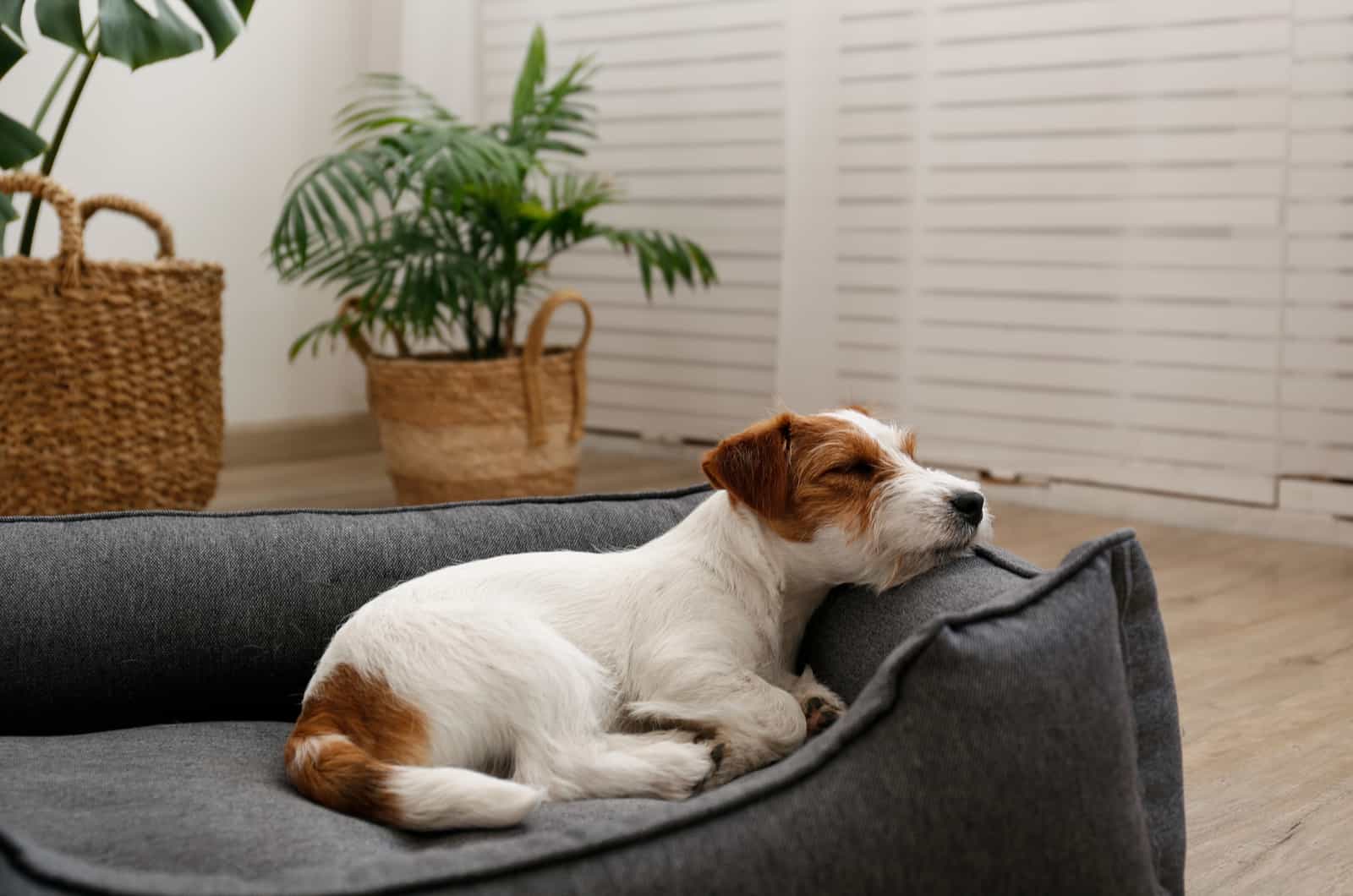
The next thing to think about is creating a comfortable bed for your dog. If they don’t already have one, investing in an orthopedic bed can be a great way to make them more comfortable and improve their sleep quality.
If your dog’s sleep is often disrupted, establishing a consistent schedule might help. Having a set routine can provide stability, helping them fall asleep more easily.
Also, make sure their sleeping space is dark and quiet. This is crucial because, like us, dogs have circadian rhythms, and they sleep much better in a dark environment.
They are also very sensitive to noise, so minimizing any unnecessary sounds can make a big difference in their sleep quality.
To Conclude
If you ever notice that your dog seems tired or isn’t sleeping well, try some of these tips to help improve their rest.
If you don’t see any changes, it’s a good idea to visit the vet, as there could be an underlying sleep disorder.
Just remember to always pay close attention to your dog’s needs and respond as best as you can.
References:
[1] Kinsman R, Owczarczak-Garstecka S, Casey R, Knowles T, Tasker S, Woodward J, Costa R, Murray, J. (2020). Sleep Duration and Behaviours: A Descriptive Analysis of a Cohort of Dogs up to 12 Months of Age. Free Scientific Article, PubMed.
More In Health
Health
 7 Essential Questions To Ask Your Vet Before Your Dog Goes Under Anesthesia
When your dog needs a medical procedure that involves anesthesia, it’s important to make sure...
Oct 27, 2024
Health
 5 Delicious and Safe Alternatives to Water for Your Dog
Dogs are smart creatures, and they know that staying hydrated is key to a happy life! But sometimes,...
Oct 27, 2024
Health
 How To Treat And Prevent Hot Spots In Dogs
Hot spots are a common skin issue for dogs, especially during the warm summer months.
Oct 27, 2024
Health
 How Much Sleep Does Your Dog Really Need Each Day?
Dogs absolutely love taking naps. It's one of their favorite pastimes. On average, they spend n...
Oct 27, 2024
Health
 7 Common Causes for German Shepherd’s Eyes Rolling Back
When my friend noticed her German Shepherd's eyes rolling back, she panicked, fearing the worst...
Oct 27, 2024
Health
 How Long Do Dogs Typically Live? Plus, Tips to Extend Their Lifespan
We all wish our furry friends could stay with us forever, but sadly, their lifespans are shorter tha...
Oct 18, 2024
Health
 How Different Types Of Music Can Calm Or Stress Your Dog
One of the biggest concerns for most dog owners is dealing with stress, anxiety, or fear in their pe...
Oct 18, 2024
Health
 5 Surprising Reasons Why Your Dog Sploots
There are so many things our furry companions do that make us think they are the cutest creatures ev...
Oct 18, 2024
Health
 6 Common Habits That Could Be Putting Your Dog At Risk
There's no doubt that every dog owner absolutely adores their furry companion. However, there a...
Oct 17, 2024
Health
 5 Simple And Quick Tricks To Teach Your Dog
Every dog owner knows that once you adopt a sweet little pupper, there are certain things you must d...
Oct 16, 2024