
Worms in dogs are every dog owner's worst nightmare. These parasites live in a dog's intestines, causing discomfort and pain, and can lead to serious health issues if not treated promptly.

9 Warning Signs Of Worms In Dogs Every Dog Owner Needs To Know
It's definitely not pleasant to think about your dog having worms, but it’s important to understand that this is not an uncommon problem for our furry friends.
According to the Kansas State University Veterinary Health Center [1], around 34% of dogs are infected with some kind of intestinal worms, with young puppies being even more susceptible.
In some cases, puppies are actually born with worms. This happens when the mother is infected and passes the worms to her newborn pups.
If you suspect that your dog might have worms, don’t worry – it’s a common issue. The first step is to be able to recognize the signs of worms in dogs.
Let’s take a closer look at some of the most common symptoms of worms in our canine companions.
1. Noticeable Worms In The Dog’s Feces
One of the clearest signs that your dog might have worms is actually seeing the worms in their feces.
If you spot small, white specks in your dog’s poop, there’s a good chance that they have worms. Tapeworms and roundworms are the most common types you might see.
It’s not something we like to think about, but paying attention to your dog’s poop is actually very important for their health. Monitoring the color and consistency can provide valuable information.
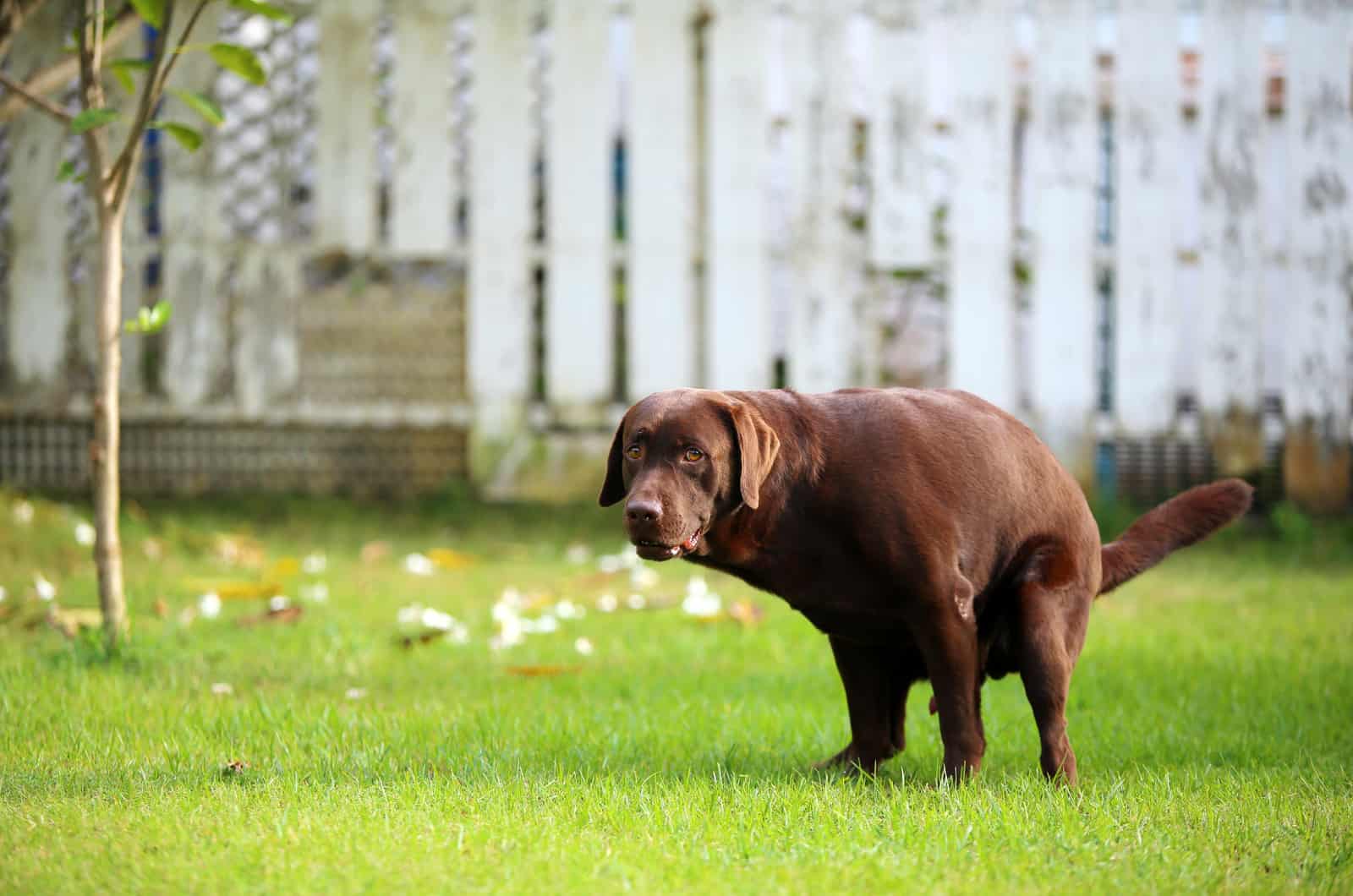
Since you already clean up after your dog, it’s a good idea to keep an eye on their stool. It may not be pleasant, but it’s one of the best ways to detect worms early and get your dog the help they need.
By catching worms early, your dog will have a much better chance of making a full recovery.
2. Dog Won’t Let You Touch His Belly
Dogs with worms can sometimes have swollen and painful stomachs. If your dog seems uncomfortable when you try to touch their belly, this could be a sign of worms.
If your dog whines or growls when you try to touch their stomach, don’t force it. The best thing you can do is contact your vet as soon as possible.
3. Dog’s Refusal To Eat
It can be alarming when a dog that usually loves food suddenly stops eating. If your dog refuses to eat, it could be a sign of worms.
While a lack of appetite can be caused by a variety of health issues, worms in the intestines can make dogs uncomfortable and even cause pain, leading them to lose interest in food.
A dog with worms will often be reluctant to engage in activities they usually enjoy, and eating is no exception.
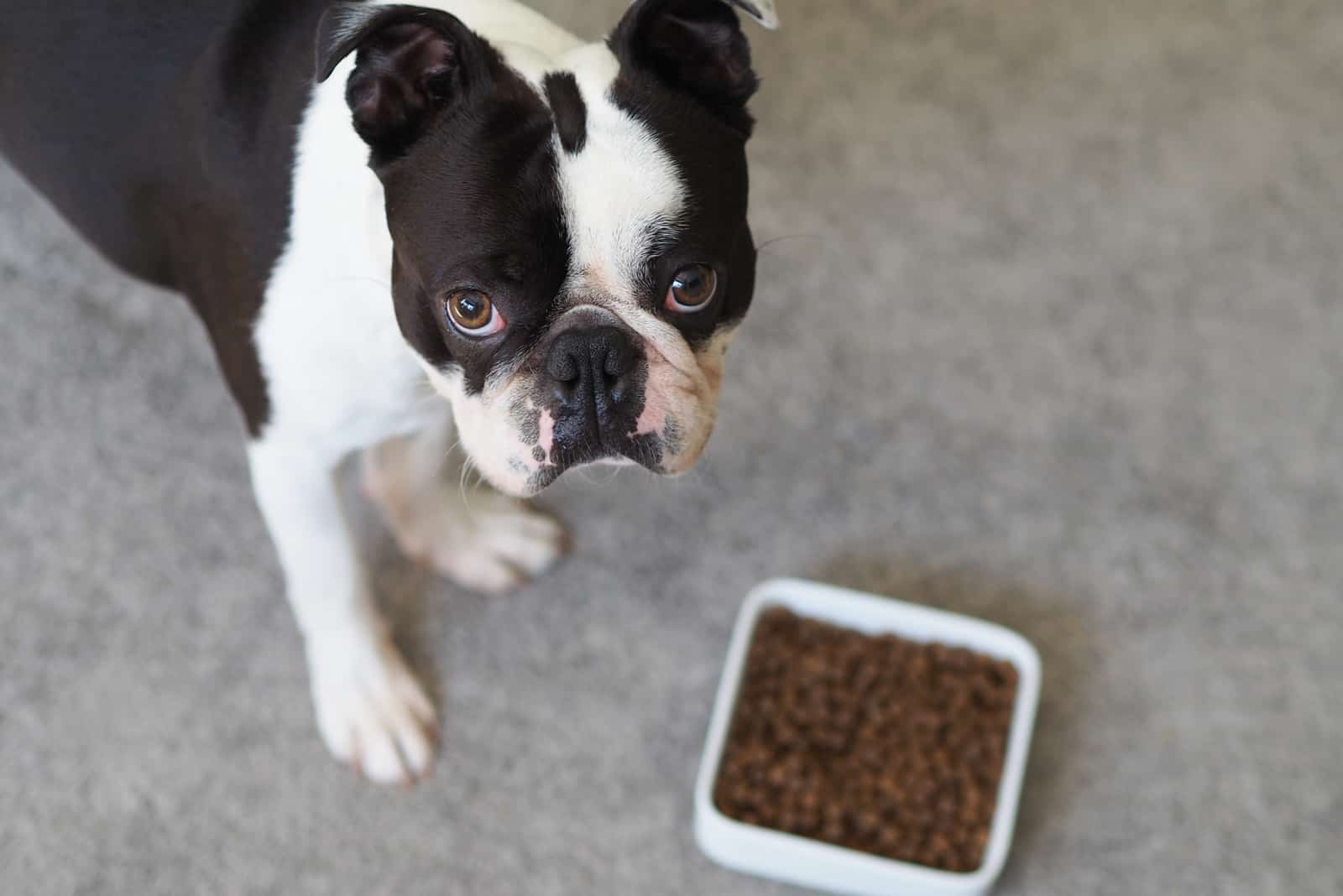
If your dog stops eating, you may also notice that they begin to lose weight.
4. Diarrhea Almost Always Brings Bad News
Diarrhea is fairly common in dogs and can sometimes be caused by eating something that didn’t agree with them. However, in other cases, diarrhea can be a sign of a more serious health problem.
Bloody diarrhea, in particular, can be dangerous and might be a sign that your dog has worms.
A study conducted by the Faculty of Veterinary Medicine in Sao Paulo, Brazil [2], found a strong link between diarrhea in dogs and the presence of worms.
So, while diarrhea doesn’t always mean your dog has worms, this study shows that it’s a common symptom of worm infestations. If your dog has diarrhea, it’s important to watch for other signs of worms.
5. Vomiting Is Also Possible
Vomiting is another symptom that can point to a range of health issues, including worms.
The color of your dog’s vomit can provide clues about what’s going on. For example, if your dog’s vomit is brown, it might mean they have eaten the feces of another animal.
If that animal had worms, your dog might have picked them up as well. This is one way dogs can get infected with worms, particularly tapeworms.
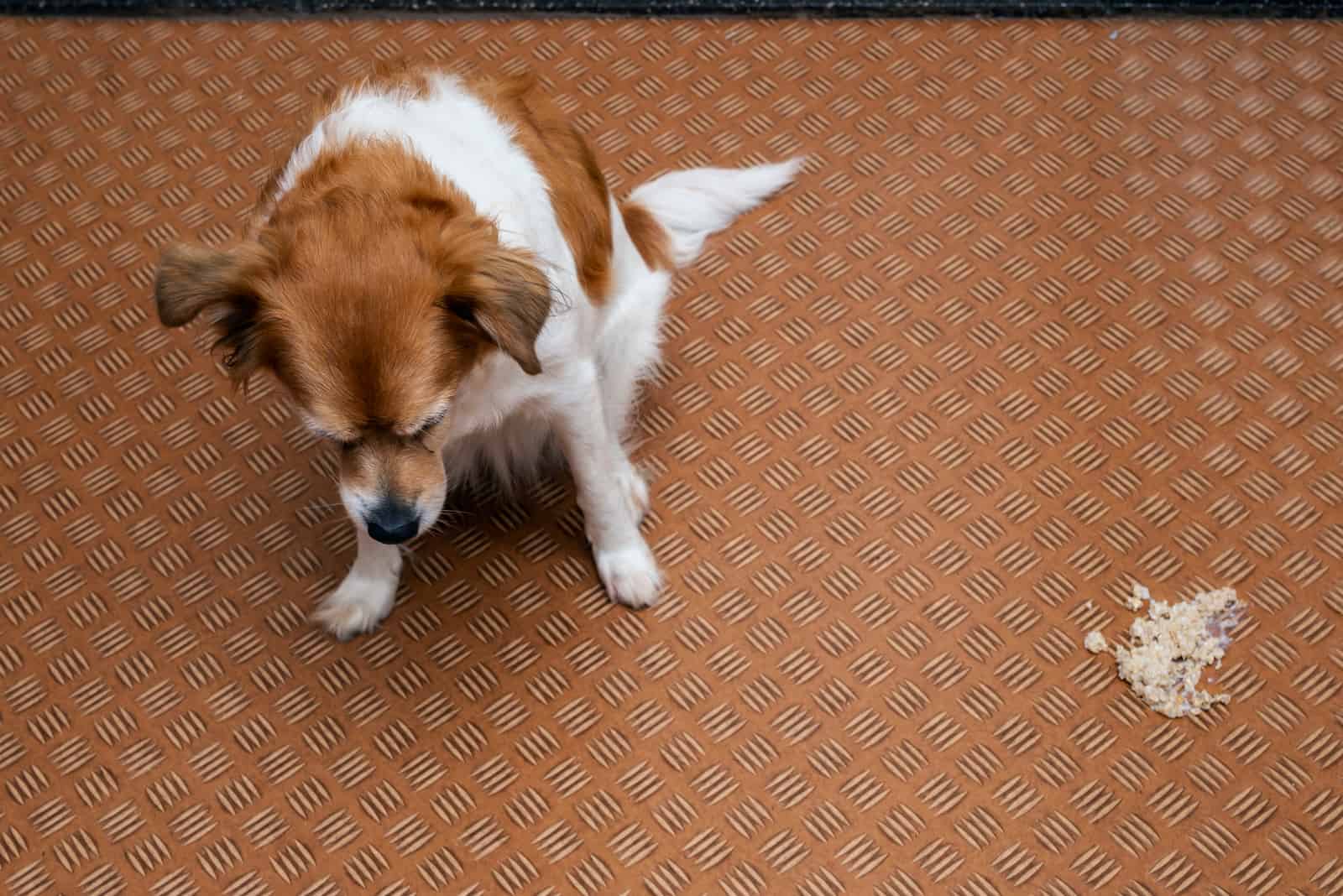
In some cases, a dog’s vomit might be white or yellow, and occasionally, they might even throw up worms. Vomiting is definitely a key sign that worms could be involved.
6. The Scratching Issue
Many dogs tend to scratch or lick their anus, which is fairly normal. But if your dog is constantly scooting or scratching at this area, it could indicate discomfort caused by worms.
Check out the video below showing a dog named Morrison scooting across the carpet multiple times in a row.
While it might seem funny at first, a dog that is excessively scratching or scooting is likely trying to relieve discomfort. This can often be a sign of worms.
7. Dog Seems Passive And Lethargic
Worms feed off your dog’s blood and nutrients to survive, which can lead to your dog losing energy and becoming lethargic.
Some types of worms, like hookworms, are especially harmful because they consume large amounts of blood, which can lead to anemia in dogs.
If your normally active and playful dog suddenly seems tired, withdrawn, or wants to be alone, it could be a sign of worms.

8. Dog Loses Hair
Some dogs will scratch and chew at their fur due to the discomfort caused by worms, and this can result in noticeable hair loss.
If your dog’s coat, which is usually shiny and healthy, starts to look dull or lifeless, this could be another sign that worms are present.
9. Coughing Is Also A Potential Symptom
It’s not uncommon to hear your dog cough from time to time, whether it’s to clear their throat or due to something in the air. But persistent coughing can be a sign of worms.
A study from the Institute of Parasitology in Kosice, Slovak Republic [3], found that chronic coughing is the most common symptom of lungworms in dogs.

If your dog has been coughing frequently, it’s best to get them checked by a vet as soon as possible.
What Is The Treatment For Worms In Dogs?
If you suspect your dog has worms, the best course of action is to visit your veterinarian. Trying to treat your dog at home without professional advice is not recommended.
Your vet will need to identify what type of worms your dog has. The most common types include roundworms, tapeworms, hookworms, lungworms, and heartworms.
All worms can be harmful, but heartworms are particularly dangerous and can lead to serious complications.
To determine the correct treatment, your vet will typically analyze your dog’s stool. If heartworms are suspected, they may also perform a blood test.
Treatment for worms usually involves oral medications, pills, or injections. It’s important to follow your vet’s instructions carefully for the best outcome.
Of course, the best approach is always prevention.
As a dog owner, you can help prevent worms by regularly deworming your puppy from a young age and keeping up with good hygiene practices for both your dog and their environment.
Additionally, be mindful of where your dog sniffs or explores, as contact with other dogs’ feces is a common way for worms to spread.
Wrapping It Up
Worms are a real concern for all dog owners. While none of us want to deal with it, worms in dogs are quite common.
That’s why it’s important to be prepared. By knowing the signs of worms, you’ll be able to act quickly and help your dog recover as soon as possible.
Just remember, the most important step is to consult your vet right away if you notice any potential symptoms of worms in your dog. Don’t try to handle it on your own.

References:
[1] Zoonotic Potential of Common Cat/Dog Intestinal Parasites. DOI, Retrieved March 3, 2023.
[2] Lima ND, Raimundo DC, Souza VAF, Aguiar JM. Occurrence of gastrointestinal parasites in dogs and cats domiciliated in Santos, SP, Brazil. Braz J Vet Parasitol 2021; 30(4), DOI, Retrieved March 3, 2023.
[3] Cabanova, V, Hurnikova, Z, Miterpakova, M, et.al. Lungworm infections in dogs from Central Europe. Veterinarni Medicina, 63, 2018 (08): 367–372. DOI, Retrieved March 3, 2023.
More In Health
Health
 7 Essential Questions To Ask Your Vet Before Your Dog Goes Under Anesthesia
When your dog needs a medical procedure that involves anesthesia, it’s important to make sure...
Oct 27, 2024
Health
 5 Delicious and Safe Alternatives to Water for Your Dog
Dogs are smart creatures, and they know that staying hydrated is key to a happy life! But sometimes,...
Oct 27, 2024
Health
 How To Treat And Prevent Hot Spots In Dogs
Hot spots are a common skin issue for dogs, especially during the warm summer months.
Oct 27, 2024
Health
 How Much Sleep Does Your Dog Really Need Each Day?
Dogs absolutely love taking naps. It's one of their favorite pastimes. On average, they spend n...
Oct 27, 2024
Health
 7 Common Causes for German Shepherd’s Eyes Rolling Back
When my friend noticed her German Shepherd's eyes rolling back, she panicked, fearing the worst...
Oct 27, 2024
Health
 How Long Do Dogs Typically Live? Plus, Tips to Extend Their Lifespan
We all wish our furry friends could stay with us forever, but sadly, their lifespans are shorter tha...
Oct 18, 2024
Health
 How Different Types Of Music Can Calm Or Stress Your Dog
One of the biggest concerns for most dog owners is dealing with stress, anxiety, or fear in their pe...
Oct 18, 2024
Health
 5 Surprising Reasons Why Your Dog Sploots
There are so many things our furry companions do that make us think they are the cutest creatures ev...
Oct 18, 2024
Health
 6 Common Habits That Could Be Putting Your Dog At Risk
There's no doubt that every dog owner absolutely adores their furry companion. However, there a...
Oct 17, 2024
Health
 5 Simple And Quick Tricks To Teach Your Dog
Every dog owner knows that once you adopt a sweet little pupper, there are certain things you must d...
Oct 16, 2024