

Coconut oil has become a popular, healthier alternative to regular cooking oil for humans, known for its many potential benefits, but do these same advantages apply to dogs as well?
Yes, coconut oil can be good for dogs, but don’t think of it as some miracle ingredient. It’s more of a healthier option that can complement their diet in the right amounts.
It does come with some benefits, like boosting the immune system and having anti-inflammatory properties. Plus, it’s less fatty than many other oils. But it’s not a replacement for a well-rounded, protein-rich diet.
You still need to make sure your dog gets all the proper nutrients they need, but coconut oil can be a nice addition. Let’s explore the ways coconut oil might help your dog.
What Does Coconut Oil Consist Of?
Coconut oil comes from the white, fleshy part of the coconut. In simple terms, that’s where it starts.
But if we dive a little deeper, coconut oil is made up of about 90% healthy saturated fats called MCTs—Medium Chain Triglycerides. These MCTs are broken down further into different acids, like lauric, capric, and caprylic acids.
Each of these acids has its own benefits. Capric and caprylic acids can help with yeast infections and gut health, while lauric acid strengthens the immune system by fighting off harmful viruses and bacteria.
Overall, MCTs are easy on your dog’s digestion and may help with their overall gut health, making coconut oil a helpful addition to their diet.
Are There Any Other Particular Benefits?
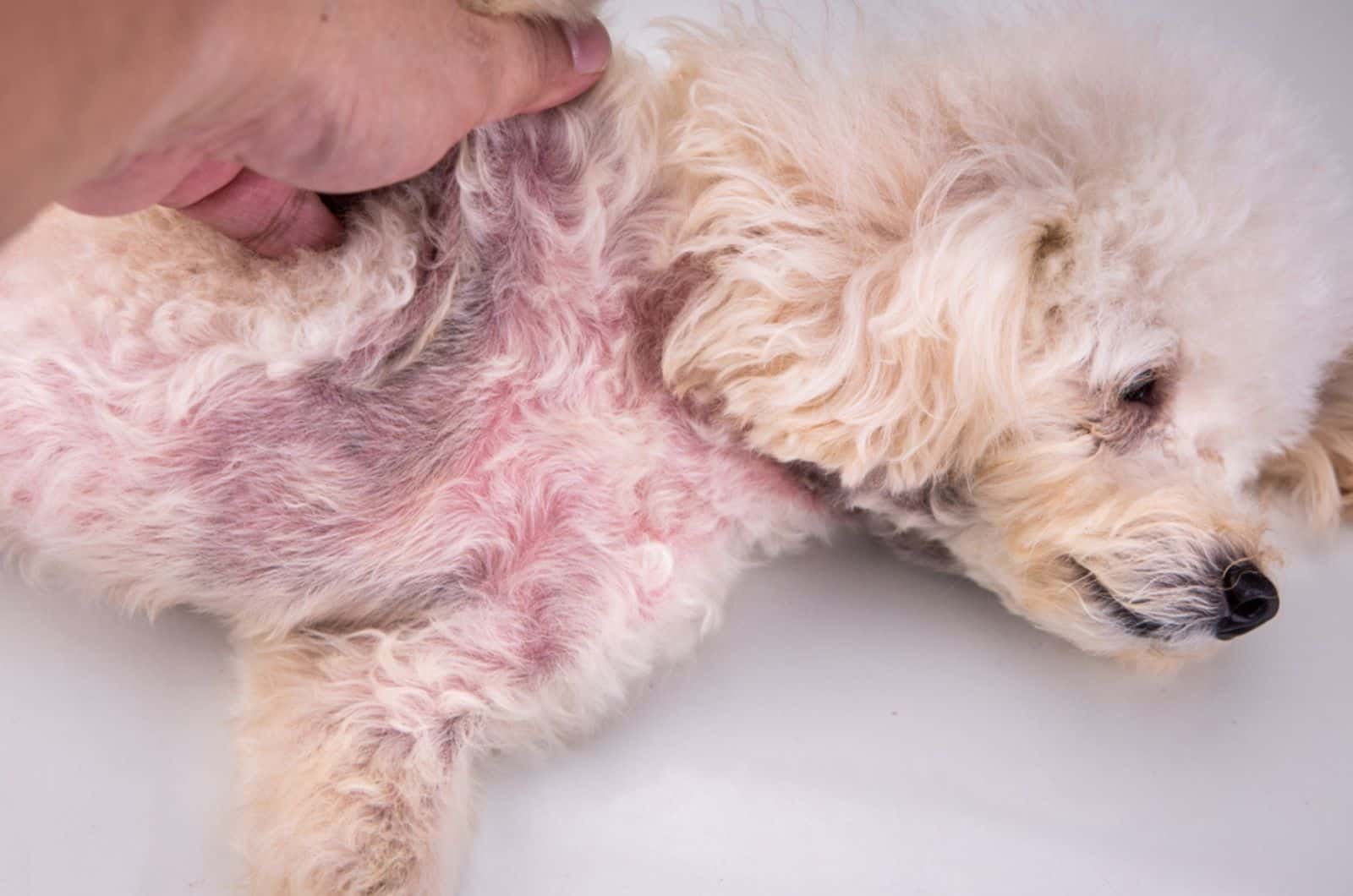
There are also topical benefits. You can apply coconut oil to your dog’s skin to help with irritation, inflammation, and minor injuries, similar to how you might use aloe vera.
Its anti-inflammatory properties may also help ease throat irritation and reduce coughing symptoms, giving it even more uses beyond just dietary supplements.
There’s Always A But…
But, like with many so-called “superfoods,” the claims surrounding coconut oil aren’t always backed by solid scientific studies. Right now, there isn’t much research specifically proving all the benefits of coconut oil for dogs.
Most of what we know is based on the ingredients found in coconut oil and the general benefits of those compounds, but there’s no firm guarantee that coconut oil itself delivers all of these benefits in the way some people claim.
This is why it’s better to treat coconut oil as an additional part of your dog’s diet, not something that replaces the essentials. After all, your dog still needs a balanced diet rich in protein and other nutrients.
While coconut oil can be a useful addition, it alone won’t give your dog all the fats they need to stay healthy and energized.
One area where coconut oil falls short is that it doesn’t contain omega-3 and omega-6 fatty acids, which are commonly found in fish oils or other dog-specific supplements.
These fatty acids are key for keeping your dog’s skin and coat healthy and even play a role in supporting joint and bone health. So while coconut oil has some benefits, it’s not as complete as other oils that include these crucial nutrients.
Is There Any Point In Using Coconut Oils In My Dog’s Diet At All Then?
That said, giving your dog some coconut oil won’t hurt them. It can help fight off yeast infections and may be a natural alternative to antibiotics, though you should always check with your vet first if you're considering using it for medical purposes.
How Can I Feed Coconut Oil To My Dog?
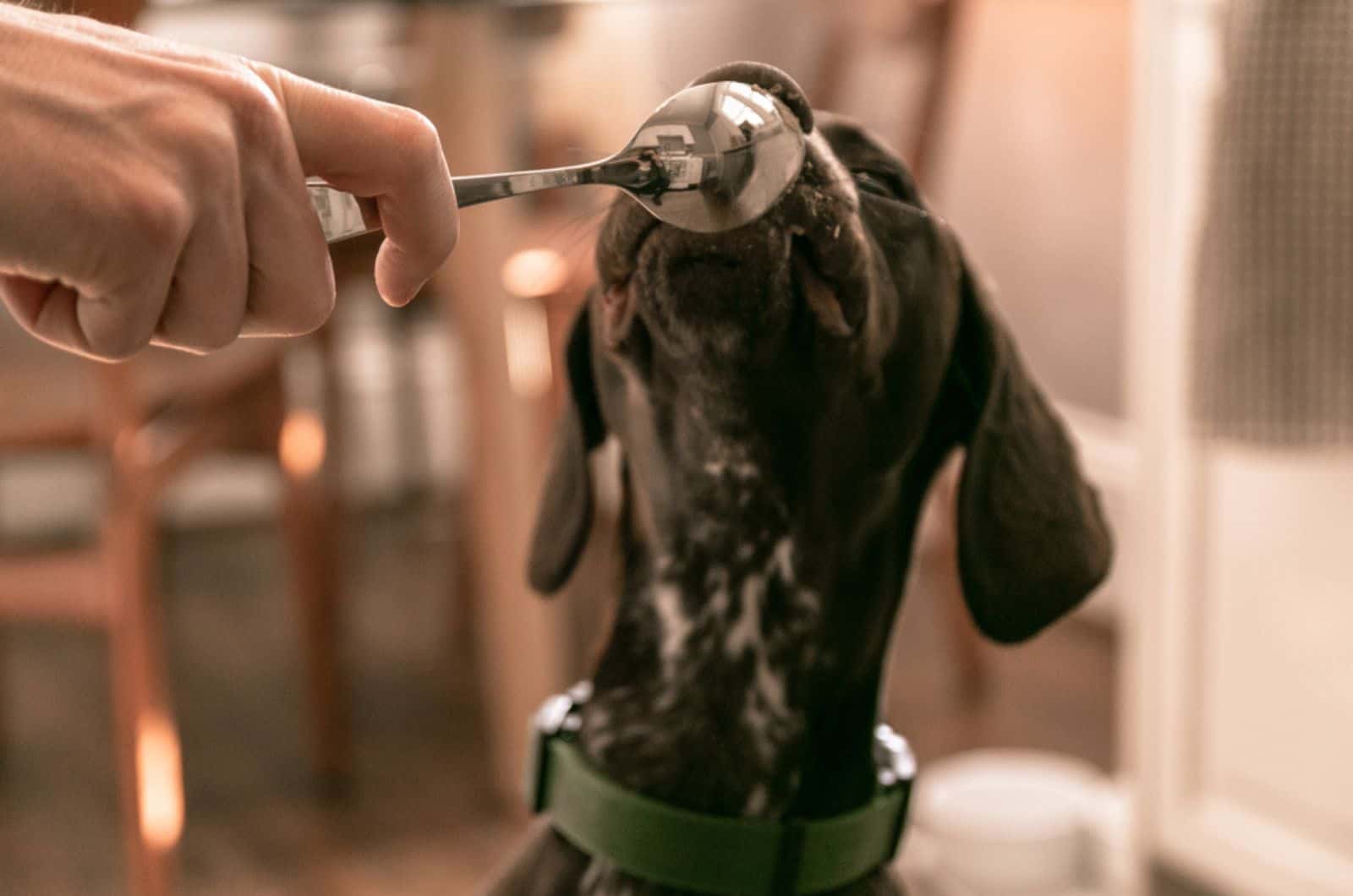
Be sure to introduce coconut oil slowly into your dog’s diet. Start with small amounts to help your dog’s body get used to it. Rushing or giving too much too soon can upset their stomach and lead to loose stools.
It’s best to go slow and steady to avoid any digestive issues while still letting your dog enjoy the potential benefits of coconut oil.
In Conclusion
Overall, coconut oil is safe for dogs and offers some health perks, but it’s not the wonder food some make it out to be.
Your dog will still need a regular, balanced diet that provides all the necessary fats and nutrients. Coconut oil can’t replace those, but it can serve as a healthy addition.
So, while coconut oil has its uses and is a safe option, it’s not a substitute for a proper diet. It can help with some things, like yeast infections, and may provide benefits that other oils don't.
But before you decide, it’s always best to consult with your vet and see if adding coconut oil makes sense for your dog’s health and diet.
Until next time, pet parents!
More In Health
Health
 7 Essential Questions To Ask Your Vet Before Your Dog Goes Under Anesthesia
When your dog needs a medical procedure that involves anesthesia, it’s important to make sure...
Oct 27, 2024
Health
 5 Delicious and Safe Alternatives to Water for Your Dog
Dogs are smart creatures, and they know that staying hydrated is key to a happy life! But sometimes,...
Oct 27, 2024
Health
 How To Treat And Prevent Hot Spots In Dogs
Hot spots are a common skin issue for dogs, especially during the warm summer months.
Oct 27, 2024
Health
 How Much Sleep Does Your Dog Really Need Each Day?
Dogs absolutely love taking naps. It's one of their favorite pastimes. On average, they spend n...
Oct 27, 2024
Health
 7 Common Causes for German Shepherd’s Eyes Rolling Back
When my friend noticed her German Shepherd's eyes rolling back, she panicked, fearing the worst...
Oct 27, 2024
Health
 How Long Do Dogs Typically Live? Plus, Tips to Extend Their Lifespan
We all wish our furry friends could stay with us forever, but sadly, their lifespans are shorter tha...
Oct 18, 2024
Health
 How Different Types Of Music Can Calm Or Stress Your Dog
One of the biggest concerns for most dog owners is dealing with stress, anxiety, or fear in their pe...
Oct 18, 2024
Health
 5 Surprising Reasons Why Your Dog Sploots
There are so many things our furry companions do that make us think they are the cutest creatures ev...
Oct 18, 2024
Health
 6 Common Habits That Could Be Putting Your Dog At Risk
There's no doubt that every dog owner absolutely adores their furry companion. However, there a...
Oct 17, 2024
Health
 5 Simple And Quick Tricks To Teach Your Dog
Every dog owner knows that once you adopt a sweet little pupper, there are certain things you must d...
Oct 16, 2024